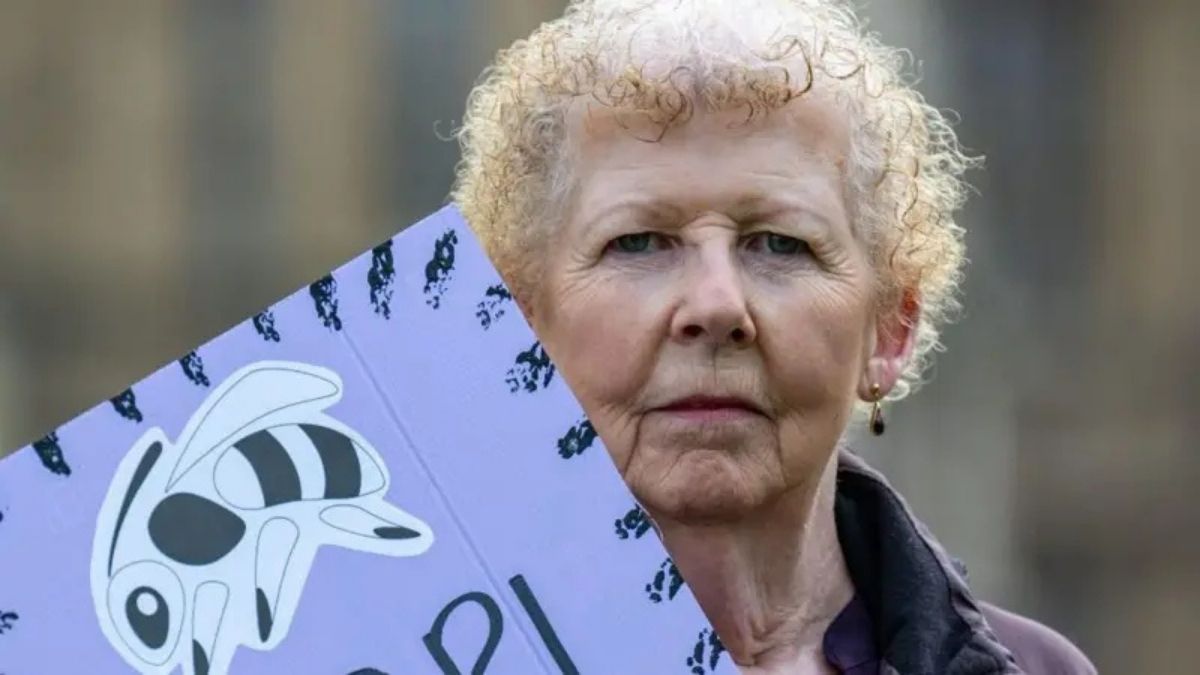
The debate surrounding the State Pension age for women born in the 1950s has reached a critical juncture, yet the chair of the campaign group Women Against State Pension Inequality (WASPI) insists that the battle for justice is far from finished. Following the recent announcement by the Parliamentary and Health Service Ombudsman (PHSO), which found the Department for Work and Pensions (DWP) guilty of maladministration, the spotlight has once again returned to the thousands of women who feel they have been left without adequate notice regarding the changes to their pension age.


For nearly a decade, the WASPI campaign has been the voice of women who claim they have suffered financial and emotional hardship due to the acceleration of the equalization of the state pension age. While the Ombudsman’s report has provided a measure of vindication, identifying clear failings in how the DWP communicated these changes, the path to compensation remains fraught with political hurdles. The campaign chair’s recent statements serve as a rallying cry, signaling that the women affected will not accept anything less than a fair and fast solution.
The Origins of the WASPI Campaign
To understand the current stance of the WASPI chair, it is essential to look back at the genesis of the movement. The group was formed in 2015 in response to the Pension Act 1995 and the 2011 Pension Act. These acts mandated that the State Pension age for women would gradually rise from 60 to 65, eventually aligning with the pension age for men. While the campaign group does not object to equalization in principle, they strongly oppose the way it was implemented.


The core grievance has always been the speed of the changes and the lack of personal notification. Many women argue that they were given very little time to adjust their retirement plans. A woman who had planned to retire at 60, perhaps to care for an elderly relative or due to health issues, suddenly found she had to wait another six years. This sudden shift had a devastating impact on their financial planning, with many having already reduced working hours or left employment entirely.
The Impact of Maladministration
The recent findings by the Ombudsman have been a cornerstone of the latest campaign push. The report explicitly stated that the DWP failed to write to the affected women with enough urgency, constituting maladministration. While the Ombudsman did not rule on whether this caused financial loss, the WASPI chair argues that the link is undeniable. The lack of information prevented these women from making informed decisions about their financial future.
For many, this wasn’t just about missing out on a few years of pension payments; it was about the loss of security and the inability to plan for later life. The campaign highlights that without proper notice, women could not engage in necessary financial planning, such as increasing their pension contributions, paying off debts, or adjusting their savings strategy. This failure in communication has left a significant number of women facing poverty in old age.
The Political Stalemate
Despite the Ombudsman’s report, the political response has been sluggish. The UK government has been reluctant to commit to a specific compensation package, citing the high cost involved and the complexities of the legal implications. This is where the WASPI chair’s determination becomes most visible. She has emphasized that relying solely on the government’s goodwill is not enough; the campaign must maintain public pressure and keep the issue at the top of the political agenda.
The chair argues that the women affected are not asking for special treatment, but for what is rightfully theirs. The narrative has shifted from a request for “handouts” to a demand for “restitution” for a failure in public administration. By framing the issue as a matter of justice rather than charity, the WASPI leadership aims to make it politically costly for MPs to ignore their demands.
Why Compensation is Demanded
The campaign group has outlined several key reasons why compensation is necessary. These reasons go beyond simple financial loss and touch on the broader principles of governance and fairness. The arguments include:
- Inadequate Notice: Many women were not informed of the changes until it was too late to make alternative arrangements.
- Financial Hardship: The sudden loss of expected income has forced many to rely on benefits or continue working in physically demanding jobs well into their 70s.
- Gender Inequality: The changes disproportionately affected women, many of whom have lower lifetime earnings and savings compared to men.
- Emotional Distress: The anxiety and stress caused by the uncertainty and financial instability have taken a severe toll on the mental health of those involved.
The Role of the Ombudsman
The Parliamentary and Health Service Ombudsman plays a crucial role in this ongoing saga. Their job is to investigate complaints of injustice arising from the actions of government departments. In this case, the Ombudsman found that the DWP’s communication failings were significant. The report recommended that the government should apologize and implement a compensation scheme, but it stopped short of dictating the exact amount or mechanism.
This lack of a concrete directive from the Ombudsman has left the campaign in a difficult position. While the report validates their claims, the implementation of any remedy rests in the hands of MPs. The WASPI chair has criticized the slow pace of the government’s response to the Ombudsman’s findings, arguing that every day of delay causes more financial suffering for the women involved.
The Estimated Cost and Government Resistance
Estimates for the cost of compensation have varied wildly. Some calculations suggest a figure ranging from £3,000 to £10,000 per woman, with the total bill potentially running into billions of pounds. The government has historically balked at these figures, arguing that the cost to the taxpayer would be too high. Furthermore, they argue that the equalization of the pension age was necessary for equality and long-term economic sustainability of the pension system.
However, the WASPI campaign points out that the cost of living crisis has exacerbated the situation for these women. Many are struggling to pay energy bills and buy food. The chair insists that the government cannot use the excuse of cost to avoid addressing a clear injustice caused by its own department’s negligence.
Public Support and Cross-Party Advocacy
One of the strongest assets of the WASPI campaign is the overwhelming public support they have garnered. Polls consistently show that a vast majority of the British public supports the cause. Furthermore, the campaign has successfully mobilized MPs from across the political spectrum. A significant number of MPs have signed motions calling for fair compensation and urged the government to act on the Ombudsman’s report.
This cross-party support is vital. It demonstrates that the issue is not just a niche political point but a matter of widespread public concern. The WASPI chair utilizes this support to lobby the government, reminding them that the women affected are voters, constituents, and neighbors. The campaign’s strategy involves keeping the stories of these women in the public eye, ensuring that the human cost of the policy changes is never forgotten.
What the Future Holds
Looking ahead, the WASPI chair has made it clear that the campaign will evolve. While legal challenges and lobbying remain central to the strategy, the group is also preparing for a long-haul public awareness campaign. They are focused on educating younger generations about what happened, to ensure that such policy failures are never repeated. The message is simple: transparency and accountability in government are essential.
The campaign is also exploring further avenues to seek redress. This includes potential judicial reviews if the government continues to refuse a compensation scheme. The resilience shown by the WASPI chair and the wider membership suggests that they are prepared to take whatever steps are necessary to achieve their goal.
Conclusion
The statement by the WASPI chair that the “fight is not over” is a testament to the enduring spirit of the campaign. Despite years of setbacks, political intransigence, and personal hardship, the women of WASPI remain united. The Ombudsman’s report has provided them with the moral high ground, and now they are demanding that the government translates that moral victory into tangible financial justice. As the political landscape shifts, the eyes of the nation remain fixed on the government to see if it will finally do right by the women who were let down by the very system designed to protect them.
What does WASPI stand for?
Why are WASPI women demanding compensation?
What did the Ombudsman say about the pension age changes?
How much compensation are WASPI women asking for?
