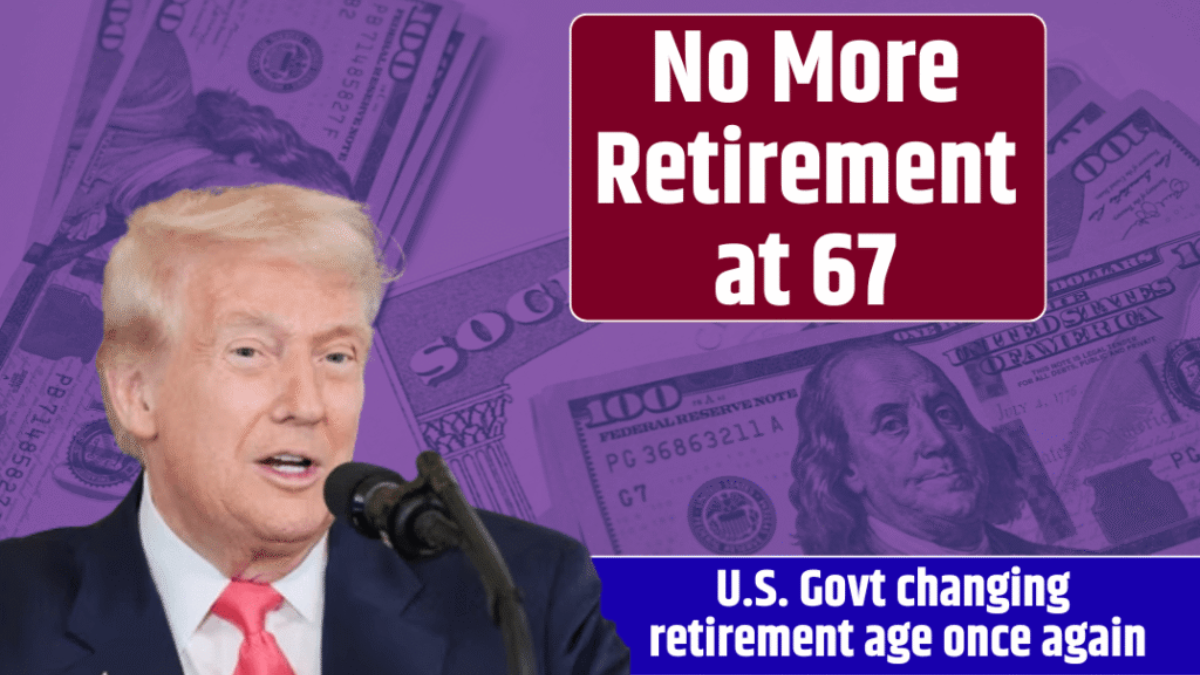
Retirement in the United States is on the brink of transformation, primarily due to emerging proposals from Republican lawmakers. A recent initiative from the Republican Study Committee’s (RSC) 2025 budget suggests raising the full retirement age (FRA) from 67 to 69. This shift, backed by approximately 80% of Republicans in the U.S. House of Representatives, could profoundly affect the retirement plans of millions of Americans, especially those currently aged between 30 and 50.


Understanding the Full Retirement Age (FRA) and Its Proposed Increase
The full retirement age (FRA) marks the age when individuals can begin receiving their full Social Security benefits. For individuals born in 1960 or later, the current FRA is 67. However, the suggested RSC plan aims to extend this to 69 for younger workers.
This adjustment arises from the long-term financial challenges facing the Social Security system. Proponents argue that such changes are essential to ensure sustainability, similar to the adjustments made in 1983 when the FRA was raised from 65 to 67. While supporters advocate for this increase to prevent a potential fiscal crisis, critics point out the difficulties it poses for individuals in physically demanding roles or those battling health issues who may struggle to work until age 69.


Who Will Be Affected by the FRA Increase?
If ratified, the rise in the retirement age would be gradual, occurring between 2026 and 2033. Those most impacted include:
– Individuals aged 30 to 55 today
– Newer entrants to the workforce
– Those considering early retirement at age 62, who could face even steeper reductions in their benefits.
This change could particularly burden workers in sectors such as construction, delivery, and healthcare, where continuing employment into their late 60s may be unrealistic.
How Retirement Ages Could Change: A Quick Comparison
Here’s a quick glance at the current and proposed retirement ages:
| Birth Year | Current FRA | Proposed FRA (RSC Plan) | Impact if Retiring at 62 |
|————|———————|————————-|———————————-|
| 1959 | 66 years, 10 months | No change | ~29% benefit reduction |
| 1960 or later | 67 | 69 | Up to ~35% benefit reduction |
| 1970 and after | 67 | 69 | Longer wait, deeper benefit cuts |
How to Prepare for a Higher Retirement Age
While this proposal is still in the works, proactive preparation is wise. Here are several strategies to consider:
– Increase your savings: Aim to save enough to cover 18 to 24 months of expenses.
– Consider a phased retirement: Gradually reduce your work hours instead of leaving your job altogether.
– Explore part-time job opportunities: Companies like Costco and Home Depot provide part-time positions that come with health benefits.
– Generate income from assets: Renting a room can yield $700–$1,000 a month, while renting a parking space can create additional income of $150–$300 a month.
Smart Tax Tips for Early Retirees
Effective tax planning can ease the transition to early retirement. Utilize these smart tips:
– Use taxable investment accounts first: This approach can delay penalties and help lower your tax burden.
– Withdraw Roth IRA contributions: These distributions can be taken out anytime without incurring taxes.
– Maintain a low income: A lower income level may qualify you for health subsidies under the Affordable Care Act.
– Engage in small side jobs: Part-time roles, such as pet-sitting, online tutoring, or baking, can provide extra income without excessive strain.
Staying Ready for Future Retirement Changes
Even though the proposed increase to an FRA of 69 is not finalized, it’s prudent to begin planning for potential changes. Here’s how to stay prepared:
– Utilize official tools: The Social Security Administration (SSA) offers a retirement age calculator and the My Social Security portal to help assess your status.
– Stay adaptable: Be prepared to adjust your retirement strategy in response to new legislation.
– Remain informed: If you’re aged 30 to 55, you’re most likely to be affected, so keeping up with developments is crucial.
The movement to raise the FRA to 69 signals significant changes may be on the horizon for retirement planning. While the intent is to protect the Social Security system, this modification could make it increasingly difficult for many individuals to retire on their own terms.
What is the full retirement age in 2025?
Is the retirement age really going up to 69?
How does early retirement at 62 affect my benefits?
Can I still work part-time during retirement?
How can I prepare if the FRA is increased to 69?
