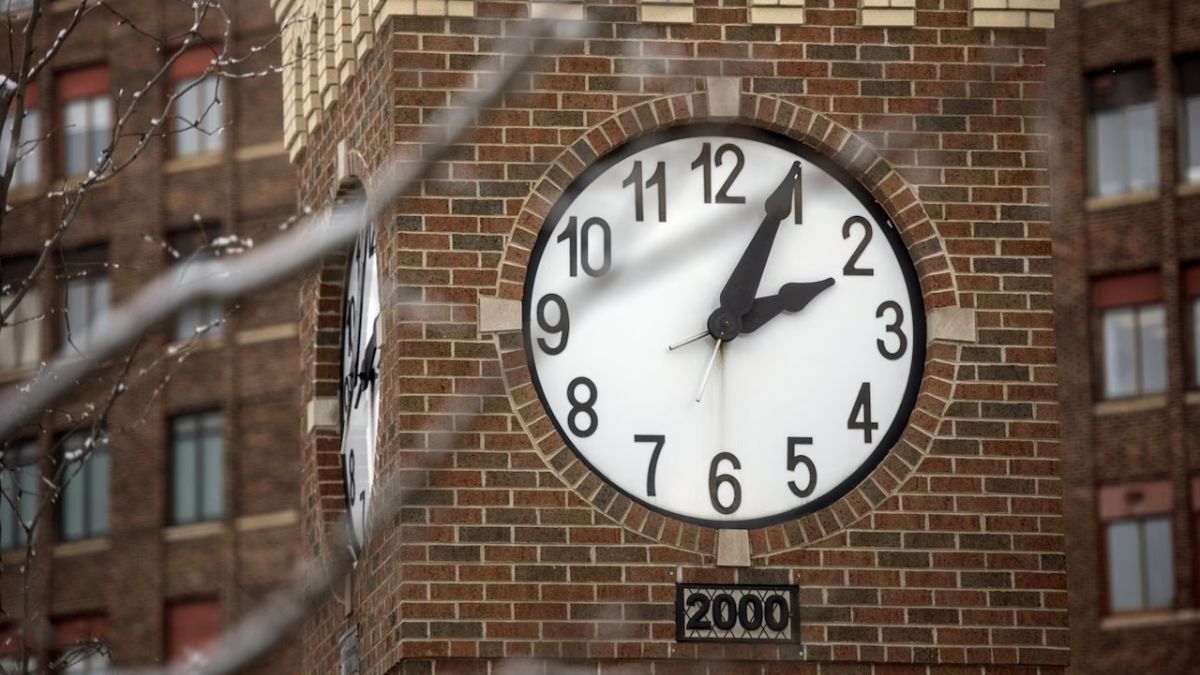
The year 2026 is officially underway, and with it comes the anticipation of longer days and brighter evenings. While we are still in the early months of the year, the seasonal shift is just around the corner. We are only a few short weeks away from gaining more of that precious daylight. Although it may seem a bit premature for some, it is the perfect time to start preparing for the annual time change. It is time to get ready for Daylight Saving Time.


This year’s spring time shift will take place at 2:00 a.m. on Sunday, March 8. At that specific moment, clocks across most of the United States will “spring forward” an hour. This instantaneous change grants most people in the U.S. an extra hour of sunlight in the evening, a welcome reprieve from the dark winter nights. It marks the unofficial start of spring schedules and outdoor activities.
When Does the Time Change Occur?
The timing of Daylight Saving Time is not random; it follows a specific federal schedule. DST takes place each year on the second Sunday of March and concludes on the first Sunday in November. This consistent scheduling allows individuals and businesses to plan ahead for the biannual ritual of adjusting their schedules.


The specific date of March 8 in 2026 places the change relatively early in the month. For many, this shift signifies the end of winter and the beginning of a period where the sun stays visible well into the evening hours. While the change happens early in the morning on a Sunday, the effects are felt for the next eight months.
A Look Back: The History of Daylight Saving Time
While the practice is deeply ingrained in American life, it wasn’t always the standard. Although Daylight Saving Time was observed in some areas prior to federal legislation, the tradition became official in the United States in 1966. This was the year the Uniform Time Act of 1966 was passed, establishing a standardized system for observing DST across the country.
However, the laws governing our clocks have evolved since then. The legislation was significantly amended by the Energy Policy Act of 2005. This act extended the duration of Daylight Saving Time, shifting the start from April to March and the end from October to November. The goal was to conserve energy by utilizing natural daylight more effectively, though the actual energy savings remain a subject of debate among experts.
The Annual Ritual: “Spring Forward” and “Fall Back”
The transition between standard time and daylight saving time has become a cultural touchstone. Each March, Americans are reminded to move their clocks ahead one hour as they “spring forward.” Then, in November, the clocks “fall back” an hour, leading to the cherished extra hour of sleep on that specific Sunday morning.
In the modern age, this process is becoming less manual. Most modern electronics, such as smartphones, computers, and smartwatches, automatically adjust the time via the network. However, it is still vital to manually change specific devices. Americans are reminded to update the time on their stove clocks, microwaves, car radios, in-home radios, and traditional wall clocks. Failing to do so can lead to confusion and missed appointments in the days following the change.
The Ongoing Debate: Is DST Going Away?
Even though the practice has been in place for nearly 60 years under the current federal framework, there have been several efforts in recent years to end the event entirely. The debate over whether to keep changing the clocks, switch to permanent Standard Time, or switch to permanent Daylight Saving Time has heated up significantly in Washington.
While none of these efforts have yet succeeded in passing Congress, a bill was introduced last year that once again called for the end of the biannual clock changes. This legislative push reflects growing public frustration with the time switch.
The Future of Time in the U.S.
The proposed bill mentioned above would have set a permanent standard time. Furthermore, it would have allowed states with specific areas exempt from Daylight Saving Time to choose the standard time for those specific regions. However, the bill stalled in the Senate. For it to become law, it will need to be reintroduced in 2026 and pass through the complex legislative process.
As we approach March 8, 2026, the debate regarding the future of time remains unresolved. For now, the directive is clear: prepare to turn your clocks ahead. The arrival of Daylight Saving Time promises longer evenings and the promise of warmer weather, regardless of the political discourse surrounding the practice.
When exactly do the clocks spring forward in 2026?
Why did the U.S. adopt Daylight Saving Time?
Is it possible that Daylight Saving Time will be permanent?
What devices do I need to adjust manually?
