Longest Solar Eclipse of the Century: A Rare Celestial Spectacle Is Coming


A remarkable astronomical event is set to occur in August 2027, when a total solar eclipse will transform daytime skies into near darkness across several regions of the world. This eclipse is expected to be the longest solar eclipse of the century, drawing global attention due to its extraordinary duration and exceptional visibility.
What Makes This Solar Eclipse Unique
A total solar eclipse happens when the Moon moves directly between the Earth and the Sun, completely blocking sunlight for a brief period. What sets this eclipse apart is the length of time the Sun will remain fully obscured. In some locations, totality is expected to last more than six minutes, a rare occurrence for a land-based eclipse in modern times.


This extended duration is the result of precise celestial alignment. The Moon will be positioned closer to Earth than usual, making it appear larger in the sky, while the relative motion of the Moon’s shadow across Earth’s surface will be slower. Together, these factors allow the eclipse to linger far longer than most total eclipses.
Where the Eclipse Will Be Visible
The eclipse will follow a narrow path across the Earth known as the path of totality. Only observers located within this path will experience complete darkness during totality. This path is expected to pass over parts of southern Europe, North Africa, and the Middle East, offering millions of people a rare opportunity to witness the full event.
Outside the path of totality, much wider regions will still see a partial solar eclipse, where the Moon covers only part of the Sun. While less dramatic, this partial phase will still be a notable sight across large portions of surrounding areas.
What Observers Will Experience
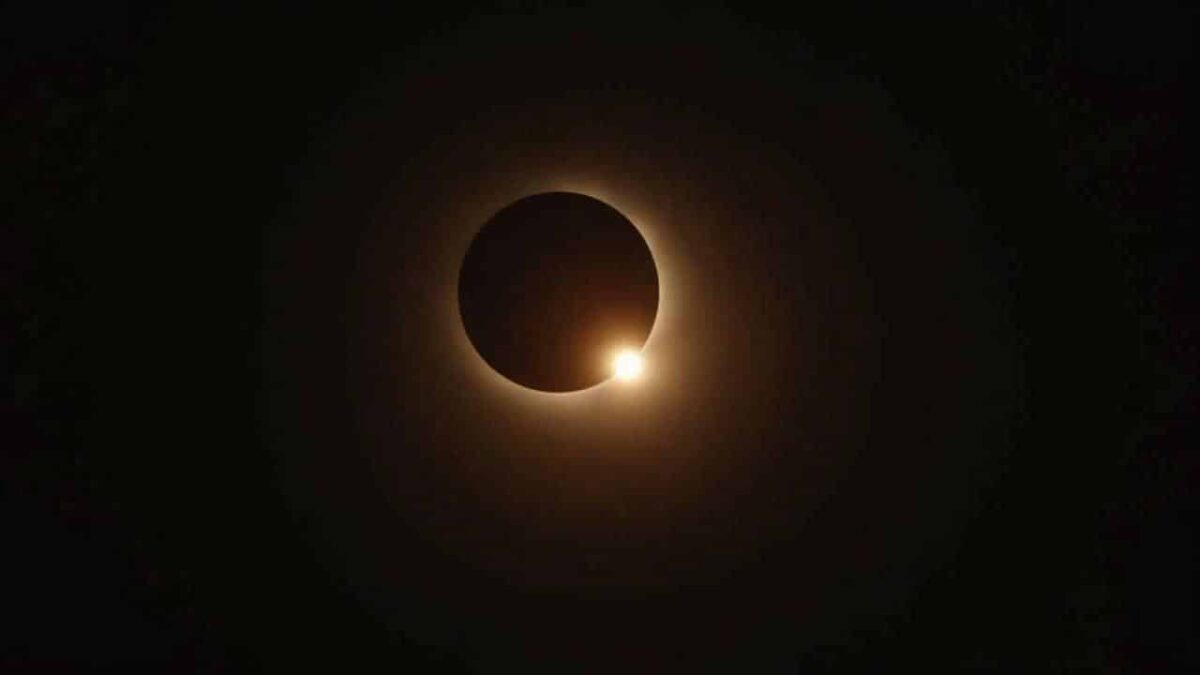
During totality, the sky will darken rapidly, creating an effect similar to twilight or nighttime. Temperatures may drop slightly, and the Sun’s outer atmosphere, known as the corona, will become visible as a glowing ring around the Moon. This phase is often described as one of the most striking natural phenomena visible from Earth.
The sudden transition from light to darkness and back again can also affect wildlife and the environment, making total solar eclipses a subject of both scientific study and public fascination.
Why This Eclipse Matters
Solar eclipses of this magnitude are rare and hold significant scientific and cultural value. The exceptional duration and wide land-based visibility of this event make it especially important for research and observation. For many people, it may be a once-in-a-lifetime opportunity to experience such a dramatic astronomical event firsthand.
As anticipation builds, astronomers and enthusiasts alike are already preparing to observe and document this historic moment. Careful planning and awareness of safe viewing practices will be essential to fully enjoy the experience.
Conclusion
The longest solar eclipse of the century promises to be a breathtaking event that captures global attention. With its rare combination of extended totality and broad visibility, it stands out as one of the most significant astronomical events of our time. For those fortunate enough to be in the right location, the day will quite literally turn into night, offering an unforgettable glimpse of the dynamic movements of our solar system.
