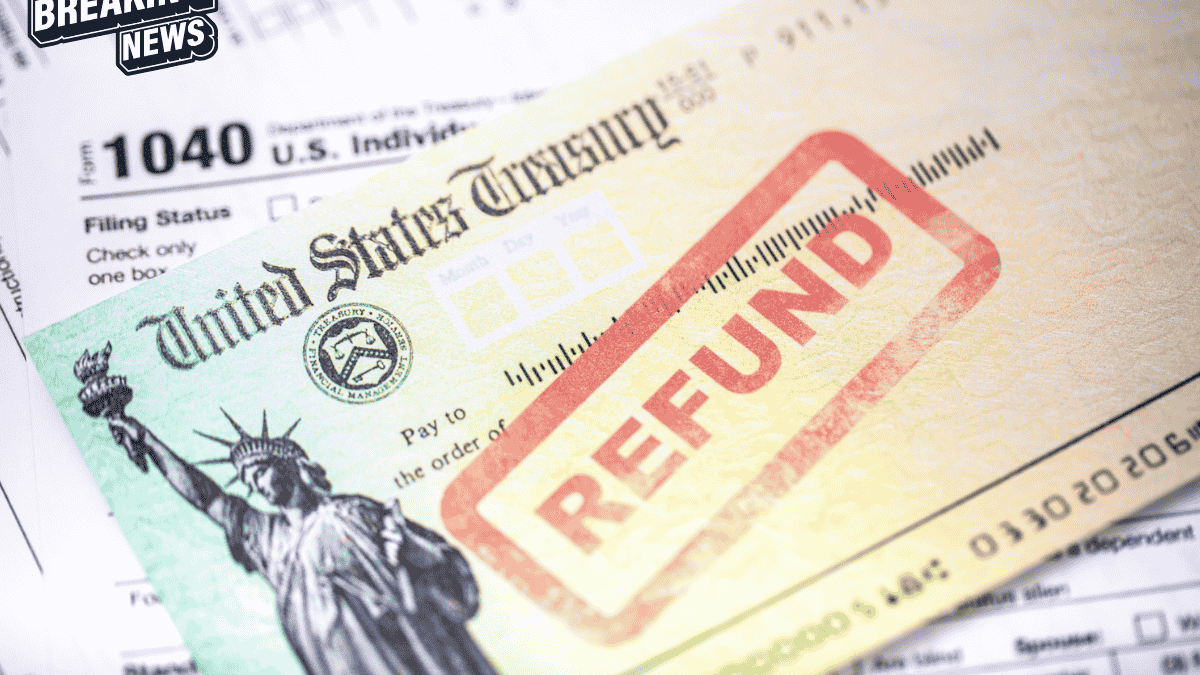
As we welcome the new year, many households across the United States find themselves receiving crucial financial assistance. The IRS has approved a one-time $2,000 payment aimed at helping Americans manage the increasing costs of living and holiday expenses. Beginning January 12, 2026, the first round of these payments will be directly deposited into bank accounts, offering timely relief for families.


This payment is designed primarily to support low to moderate-income families who are grappling with ongoing inflation, particularly regarding essential items like food and housing. Unlike traditional tax refunds, this payment is an independent financial aid initiative intended to provide swift relief during the costly winter months. Understanding the accompanying rules and deadlines is essential for ensuring you receive your payment punctually.
What is the $2,000 Relief Payment?
The $2,000 relief payment is a federal initiative designed to alleviate financial pressure for eligible households. It is crucial to note that this payment is not a loan or an advance on your tax refund. Instead, the IRS will determine eligibility based on the income reported in your 2024 or 2025 tax return.


Payments will predominantly be issued through direct deposit, ensuring the fastest delivery. If the IRS lacks your banking information, a paper check will subsequently be mailed out by the end of January. Their goal is to complete all disbursements by the end of the month.
Who is Eligible for the Payment?
Eligibility for the relief payment hinges on your income level and residency status. To determine qualification, the IRS will reference your latest tax return. To receive the full $2,000, single filers with an income of up to $75,000 and married couples earning up to $150,000 typically qualify.
Key eligibility criteria include:
– A valid Social Security number.
– U.S. residency for at least six months during 2025.
– Additional payment adjustments may apply for dependents listed on your tax return.
High-income earners exceeding these limits will not qualify for the relief payment.
When Will You Receive the Payment?
The IRS will distribute payments in multiple phases to effectively manage the volume of transactions. The initial distribution began on January 6 and will conclude on January 12, 2026. For those who have set up direct deposit and filed early, the payment may already appear as pending in your bank account.
If you miss the first phase, a second wave of deposits is scheduled for January 16 through January 20. For those without registered bank information, paper checks are expected to arrive via US Mail starting January 27, with most reaching recipients by early February.
How to Claim Your Money
For the majority of taxpayers, no action is necessary to receive the payment. If you have filed your 2024 taxes, the IRS will automatically process your disbursement. However, it is essential to update any changes to your banking details through the IRS online portal to prevent delays.
If you typically do not file taxes due to low income, you must utilize the non-filer portal to submit your information. This ensures that the IRS captures your correct address and banking details for delivering the $2,000 payment. Keeping your information accurate and current is vital for timely receipt.
New Payment Schedule
Here’s a breakdown of the anticipated payment schedule based on distribution methods:
| Payment Group | Disbursement Dates | Method |
|———————-|—————————-|——————-|
| Round 1 | January 6 to January 12, 2026 | Direct Deposit |
| Round 2 | January 16 to January 20, 2026 | Direct Deposit |
| Final Digital Round | January 22 to January 24, 2026 | Direct Deposit |
| Paper Checks | January 27 to January 31, 2026 | US Mail |
Key Eligibility Requirements
To summarize, here are the primary requirements to qualify for the $2,000 payment:
– Must have filed a 2024 tax return or utilized the non-filer portal.
– To receive the full $2,000, income must be below $75,000 for singles or $150,000 for married couples.
– A valid Social Security number is required for both the primary filer and any dependents.
– Must be a U.S. resident for a minimum of half of 2025.
– Ensure that your bank account details are current for direct deposits.
In conclusion, the $2,000 direct deposit initiative by the IRS represents a vital support measure for many struggling with increased living costs. Understanding your eligibility, knowing the payment schedule, and ensuring your information is current can significantly enhance the benefits offered by this relief payment.
Who qualifies for the $2,000 direct deposit?
When will the IRS begin sending the payments?
Do I need to apply separately for the payment?
What if I moved or changed my bank account?
Can I still get the payment if my income is above the limit?
